


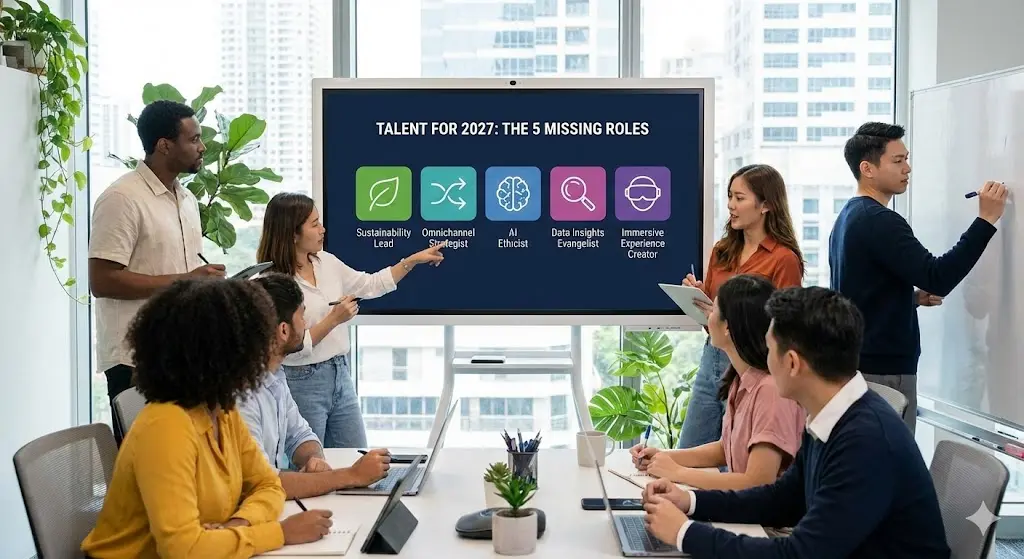
The e-commerce landscape is evolving faster than ever. Emerging technologies like AI-driven personalization, voice commerce, augmented reality, and real-time analytics are fundamentally changing how customers interact with online brands. Yet, many e-commerce teams are still organized around roles that were relevant five years ago, leaving critical gaps that can slow growth, reduce efficiency, and hurt customer experience. As we approach 2027, businesses that identify and fill these gaps will gain a significant competitive advantage.
Here’s a closer look at the five roles your e-commerce team is most likely missing—and why adding them now can future-proof your business.
1. AI-Powered Customer Experience Designer
Why this role matters
Artificial intelligence is no longer a futuristic concept—it’s a standard in e-commerce personalization. From chatbots that can resolve complex inquiries to AI algorithms that predict purchase behavior, customer expectations are shifting toward highly personalized, seamless experiences.
While many teams have marketing strategists or UX designers, few have specialists who can bridge AI capabilities and human-centered design. The AI-Powered Customer Experience Designer is someone who not only understands how AI works but also knows how to integrate it into every touchpoint of the customer journey.
Key responsibilities
-
Mapping AI opportunities across the customer journey (recommendations, chatbots, predictive customer support).
-
Designing personalization strategies that improve conversion and retention.
-
Monitoring and interpreting AI-driven analytics to refine strategies.
-
Ensuring AI applications are ethical, transparent, and privacy-compliant.
Skills to look for
-
Expertise in AI/ML applications for consumer behavior.
-
UX and CX design experience, with a focus on digital platforms.
-
Data literacy: ability to translate analytics into actionable design improvements.
-
Strategic thinking combined with creativity.
The edge: Companies that implement AI thoughtfully can boost conversion rates by up to 30% while simultaneously reducing customer service costs. Without this role, AI often sits underutilized or misapplied.


2. Head of Sustainability and Ethical Sourcing
Why this role matters
Consumers in 2027 won’t just want products—they’ll demand accountability. Sustainability, ethical sourcing, and ESG (Environmental, Social, and Governance) considerations are no longer niche; they influence purchasing decisions across generations. E-commerce brands without a dedicated voice in sustainability risk losing credibility and market share.
The Head of Sustainability is a strategic role that goes beyond checking boxes. They embed eco-conscious and ethical practices into product development, supply chain management, packaging, and marketing.
Key responsibilities
-
Auditing supply chains for environmental and social impact.
-
Developing and implementing sustainability strategies across operations.
-
Communicating ethical practices to consumers in a transparent, compelling way.
-
Collaborating with marketing, product, and operations teams to integrate sustainable practices seamlessly.
Skills to look for
-
Deep knowledge of sustainable practices, ESG standards, and supply chain transparency.
-
Strong communication skills to translate complex ethical decisions into clear messaging.
-
Strategic mindset to integrate sustainability with brand and growth objectives.
The edge: Brands with a visible commitment to sustainability see higher loyalty and can justify premium pricing, while those without risk reputational damage in increasingly socially conscious markets.

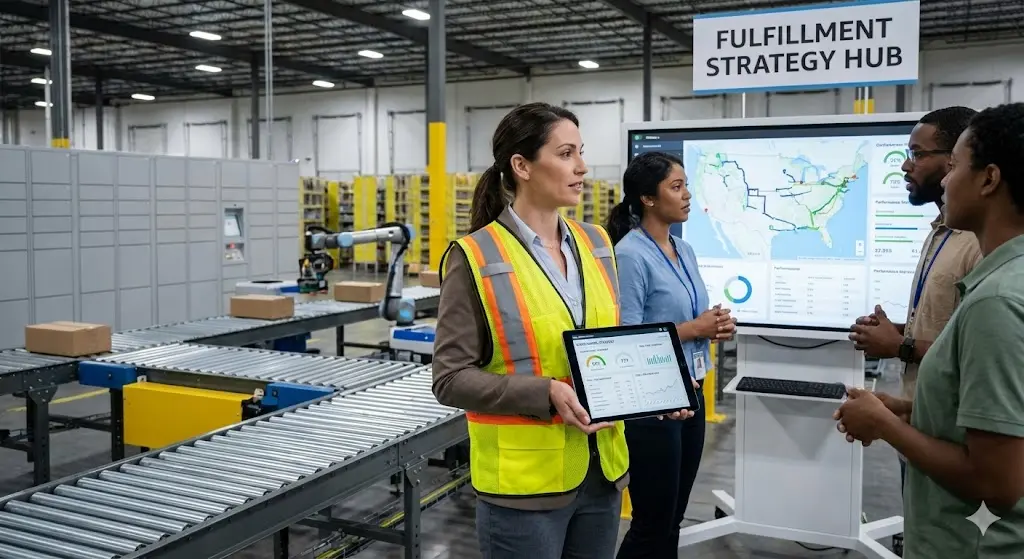
3. Omnichannel Fulfillment Strategist
Why this role matters
Customer expectations in e-commerce now go beyond fast shipping—they expect flexibility. Buy online, pick up in-store (BOPIS), same-day delivery, micro-fulfillment centers, and automated returns are becoming standard. Traditional operations managers can struggle to coordinate these complex fulfillment strategies, especially when new technologies and consumer behaviors emerge simultaneously.
An Omnichannel Fulfillment Strategist focuses on optimizing inventory, delivery, and returns across all channels, ensuring that customer promises are consistently met.
Key responsibilities
-
Designing fulfillment strategies that integrate online and offline channels.
-
Managing inventory allocation for speed, efficiency, and cost-effectiveness.
-
Implementing emerging technologies like robotics, AI-driven routing, and smart lockers.
-
Analyzing fulfillment metrics to continuously reduce bottlenecks and improve service levels.
Skills to look for
-
Logistics, supply chain, or operations expertise with digital commerce experience.
-
Knowledge of fulfillment technologies and automation systems.
-
Analytical and data-driven mindset for optimizing operations.
-
Problem-solving skills to anticipate and mitigate delivery challenges.
The edge: Faster, flexible, and more reliable fulfillment increases repeat purchases, reduces abandoned carts, and enhances brand reputation. Without a dedicated strategist, your operations can lag behind competitors, even if your website is top-notch.
4. Digital Analytics and Insights Evangelist
Why this role matters
Data is often called the “new oil,” but raw data alone doesn’t drive growth—it requires interpretation, context, and action. Many e-commerce teams have analysts, but few have a role dedicated to translating data into strategic decisions across marketing, product, and customer experience.
The Digital Analytics and Insights Evangelist ensures that data doesn’t just sit in dashboards—it drives decisions that improve revenue, retention, and customer satisfaction.
Key responsibilities
-
Translating complex datasets into actionable insights for multiple departments.
-
Identifying trends, anomalies, and opportunities for growth.
-
Establishing KPI frameworks aligned with business objectives.
-
Evangelizing a data-driven culture across the organization.
Skills to look for
-
Expertise in digital analytics platforms (Google Analytics 4, Adobe Analytics, Mixpanel).
-
Strong business acumen and the ability to link metrics to strategy.
-
Communication skills to convey complex insights simply.
-
Curiosity and creativity to uncover opportunities that aren’t obvious.
The edge: Companies that leverage insights strategically grow faster, optimize ad spend, and enhance customer experiences. Teams without this role risk making decisions based on intuition instead of evidence.


5. E-Commerce Cybersecurity and Privacy Lead
Why this role matters
As e-commerce grows, so does exposure to cyber threats. Payment fraud, data breaches, and regulatory non-compliance (like GDPR and CCPA) can cause financial losses and irreparable reputational damage. Many e-commerce teams leave security to IT or outsource it, but this often results in gaps because online commerce has unique vulnerabilities.
The E-Commerce Cybersecurity and Privacy Lead focuses specifically on the risks tied to digital sales channels, from payment processing to customer data handling.
Key responsibilities
-
Designing and enforcing security protocols for online transactions and user data.
-
Ensuring compliance with global privacy regulations.
-
Training staff and stakeholders on security best practices.
Skills to look for
-
Expertise in cybersecurity frameworks (ISO 27001, NIST, SOC 2).
-
Understanding of e-commerce platforms and payment gateways.
-
Knowledge of global privacy regulations and compliance requirements.
-
Crisis management skills for responding to breaches quickly.
The edge: A proactive cybersecurity strategy prevents costly breaches and builds consumer trust. Companies without this role risk reputational damage and significant financial exposure.
Conclusion: Future-Proofing Your E-Commerce Team
The next wave of e-commerce success will not be won solely through flashy websites or aggressive marketing. It will be determined by teams that are strategically aligned with technology trends, ethical consumer expectations, operational complexity, and data-driven decision-making.
By adding these five roles—AI-Powered Customer Experience Designer, Head of Sustainability, Omnichannel Fulfillment Strategist, Digital Analytics Evangelist, and Cybersecurity & Privacy Lead—companies can address gaps that are currently overlooked, while preparing for the demands of 2027 and beyond.
These roles reflect a shift from traditional operational thinking to a more integrated, anticipatory approach—where technology, ethics, efficiency, insight, and security converge to deliver a superior customer experience.
The future belongs to e-commerce teams that evolve their talent strategy as rapidly as their technology strategy. Missing these roles today is missing revenue, loyalty, and relevance tomorrow.


