

The global payments ecosystem is evolving faster than ever, driven by technological innovation, shifting consumer expectations, and regulatory changes. As we approach 2026, businesses, fintech innovators, and merchants must adapt to emerging trends to remain competitive and meet the demands of increasingly digital-first consumers. Among the most influential developments are cryptocurrency adoption, Buy Now Pay Later (BNPL) solutions, and biometric authentication.
In this guide, we explore why these three forces are becoming essential for businesses and what steps organizations should consider to integrate them into their payments roadmap.
Cryptocurrency: From Niche to Mainstream
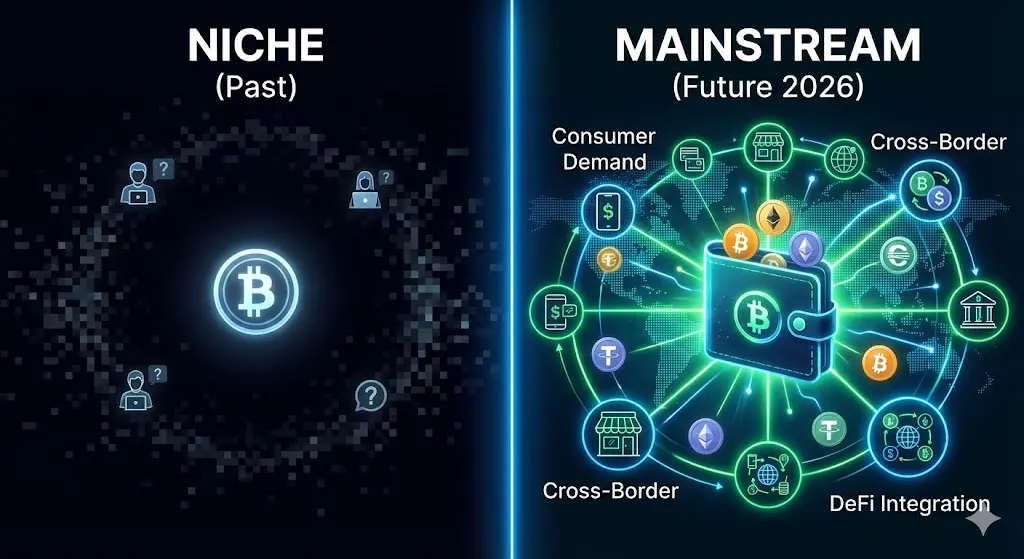
Once considered a speculative asset, cryptocurrency is rapidly moving into mainstream financial infrastructure. By 2026, many businesses will find it necessary to accept crypto payments or at least provide crypto-related services to stay relevant.
Key Drivers:
Consumer Demand: Younger consumers, particularly Millennials and Gen Z, prefer digital assets that offer flexibility and borderless transactions.
Cross-Border Payments: Cryptocurrencies reduce reliance on traditional intermediaries, lowering transaction fees and settlement times for international transfers.
Decentralized Finance (DeFi): Innovations in DeFi create new opportunities for lending, payments, and rewards systems that integrate directly with cryptocurrencies.
Practical Considerations:
Payment Gateways: Businesses must select gateways that support multi-crypto payments while ensuring security and regulatory compliance.
Volatility Management: Accepting crypto requires strategies to manage price volatility, such as instant conversion to fiat or using stablecoins.
Regulatory Compliance: Governments worldwide are introducing frameworks for crypto use, and businesses must ensure alignment with AML (Anti-Money Laundering) and KYC (Know Your Customer) regulations.
Cryptocurrency is no longer a futuristic concept—it is becoming a payment expectation in certain markets, particularly among tech-savvy and cross-border shoppers.
Buy Now Pay Later (BNPL): Redefining Consumer Financing
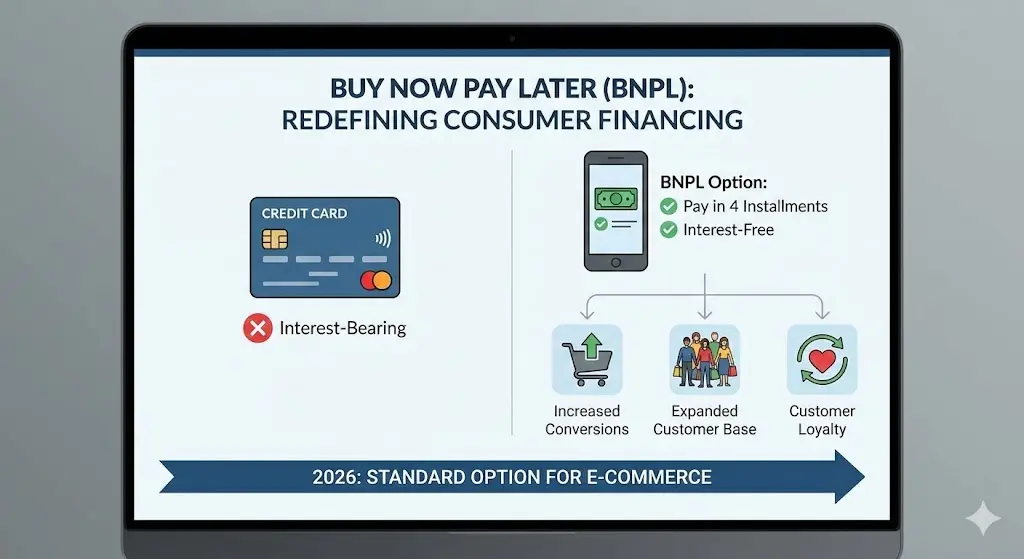
BNPL has surged in popularity as consumers increasingly seek flexibility in managing purchases. Unlike traditional credit cards, BNPL allows shoppers to divide payments over time, often interest-free for short periods. By 2026, BNPL is expected to be a standard option for e-commerce and point-of-sale transactions.
Benefits for Businesses:
Increased Conversion Rates: Providing BNPL can reduce cart abandonment and boost sales, especially for higher-ticket items.
Expanded Customer Base: Shoppers who may not qualify for traditional credit can now access purchases, widening the market.
Customer Loyalty: BNPL providers often offer loyalty programs and personalized offers, helping businesses retain customers.
Implementation Tips:
Integration: Work with BNPL providers that offer seamless integration with your payment systems.
Risk Assessment: Evaluate default risk and set limits based on consumer creditworthiness.
Transparency: Ensure that payment terms are clear to avoid customer confusion or disputes.
BNPL is more than a trend—it is reshaping consumer expectations. Merchants that fail to offer flexible payment solutions may lose relevance in increasingly competitive markets.
Biometrics: The New Standard in Payment Security
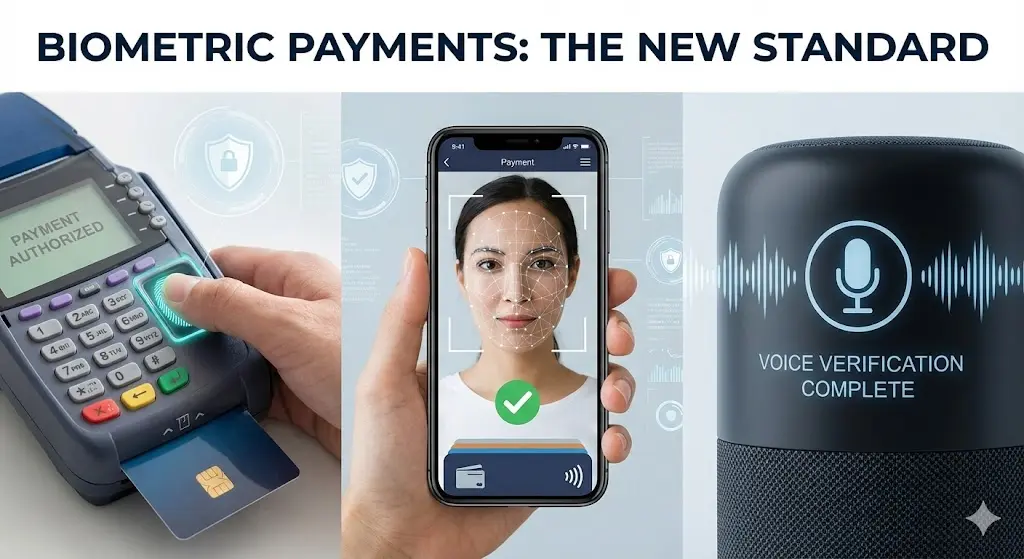
As digital payments proliferate, security becomes paramount. Biometric authentication—including fingerprints, facial recognition, and voice verification—is emerging as a preferred method to secure transactions while maintaining convenience.
Advantages:
Enhanced Security: Biometrics reduce fraud by ensuring the person initiating the payment is the legitimate account holder.
Frictionless Experience: Consumers can authorize payments quickly, eliminating the need for passwords, PINs, or multiple verification steps.
Regulatory Alignment: Many regions are introducing stricter security requirements for digital transactions; biometrics help meet these standards.
Practical Steps:
Device Compatibility: Ensure your payment systems can support various biometric devices, from smartphones to point-of-sale terminals.
Privacy Compliance: Collect and store biometric data in accordance with data protection laws such as GDPR or local regulations.
Multi-Factor Authentication: Consider combining biometrics with other methods, such as OTPs or secure tokens, for enhanced protection.
Biometric payments are not just futuristic—they are becoming a consumer expectation, particularly among younger, tech-savvy audiences who prioritize speed and security.
The Interplay Between Crypto, BNPL, and Biometrics
These three innovations are not isolated trends; they intersect in ways that redefine the payments landscape:
Crypto and Biometrics: Biometric authentication can secure crypto wallets and transactions, mitigating risks associated with digital assets.
BNPL and Crypto: Some platforms are exploring BNPL for crypto purchases, blending flexible financing with digital currency adoption.
Biometrics and BNPL: Identity verification for BNPL users can be enhanced through biometric methods, reducing fraud and streamlining approval processes.
Integrating these technologies thoughtfully can give businesses a competitive edge, improve customer experience, and future-proof payment systems.
Planning Your Payments Roadmap for 2026
To prepare for these shifts, businesses should:
Assess Current Infrastructure: Identify gaps in your payment systems and where new technologies can be integrated.
Prioritize User Experience: Consumers expect fast, secure, and flexible payment options. Design systems that balance convenience and security.
Stay Informed on Regulations: Payment technologies are closely monitored by regulators. Ensure compliance with local and international frameworks.
Pilot and Scale: Start with pilot programs for crypto acceptance, BNPL options, or biometric authentication before full-scale deployment.
Educate Staff and Customers: Awareness is critical. Ensure that teams and consumers understand how new payment options work.
By planning strategically, businesses can capitalize on evolving consumer expectations while reducing risks and building trust.
Conclusion
The payments landscape in 2026 will be defined by innovation, flexibility, and security. Cryptocurrencies, BNPL solutions, and biometric authentication are not just trends—they are becoming essential components of modern commerce. Businesses that embrace these technologies early will enhance customer experience, expand their market reach, and safeguard transactions against evolving risks.
As digital payments continue to evolve, the organizations that succeed will be those that adapt, innovate, and prioritize convenience and security, ensuring they meet the expectations of the next generation of consumers.
